

About Us
The Group of Advanced Applications in Processes (GAAP) is coordinated by Prof. Dr. Amanda Lemette Teixeira Brandão and is linked to the Department of Chemical and Materials Engineering (DEQM) of the Pontifical Catholic University of Rio de Janeiro (PUC-Rio).
Founded in 2023, GAAP obtained certification in the Directory of Research Groups in Brazil (DGP/CNPq), consolidating its performance in academic research of excellence.
In 2025, the group was accredited by the National Agency of Petroleum, Natural Gas and Biofuels (ANP), becoming qualified to carry out Research, Development and Innovation (RD&I) activities with resources from the RD&I Investment Clause, expanding its capacity for cooperation with the industry and development agencies.
GAAP Portfolio
Performance
GAAP has advanced expertise in chemical engineering, process modeling, simulation and optimization, life cycle assessment, and techno-economic evaluation of processes. With strong expertise in data science and artificial intelligence, GAAP excels at detecting and diagnosing process failures by applying machine learning models to regression and classification problems.
Mathematical Modeling, Simulation and Optimization
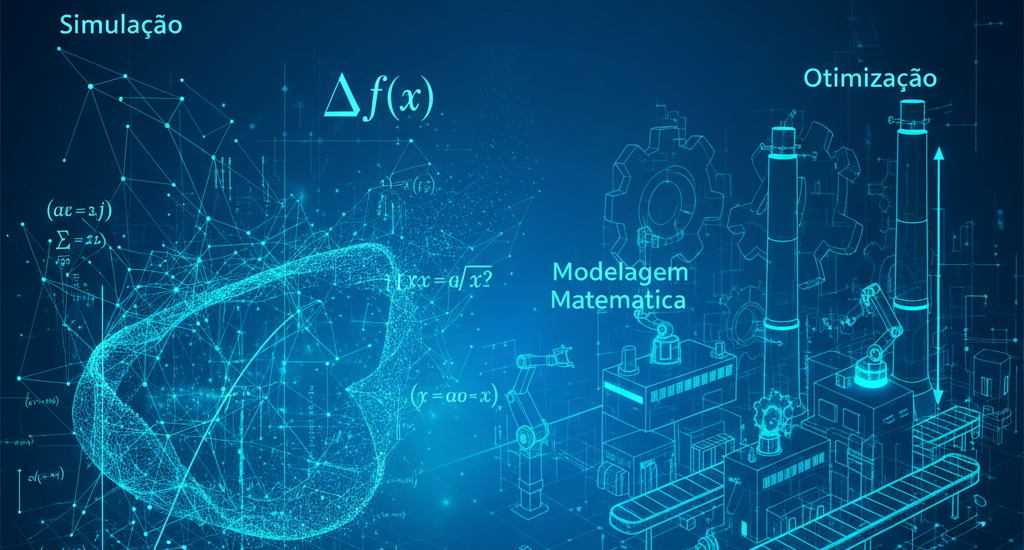
Development of mathematical models based on kinetic mechanisms to rigorously describe chemical processes, performing their simulation and parameter estimation using optimization techniques. We also optimize operational and design conditions, using both Python programming and process simulators such as DWSIM, EMSO, Aspen HYSYS, and Aspen Plus.

Digital Twin Development
Development and application of computational models as virtual replicas of real plants, enabling real-time monitoring, performance prediction, and operational optimization. In scenarios with data limitations, we use detailed modeling and simulation as an alternative (digital shadowing), ensuring the feasibility of analyses and optimization strategies.

Life Cycle Assessment
Conducting environmental analyses based on previously simulated and validated processes, quantifying impacts throughout the entire life cycle. The assessments have a special focus on carbon capture technologies, contributing to sustainability analysis and supporting decision-making.
Technical-Economic Evaluation
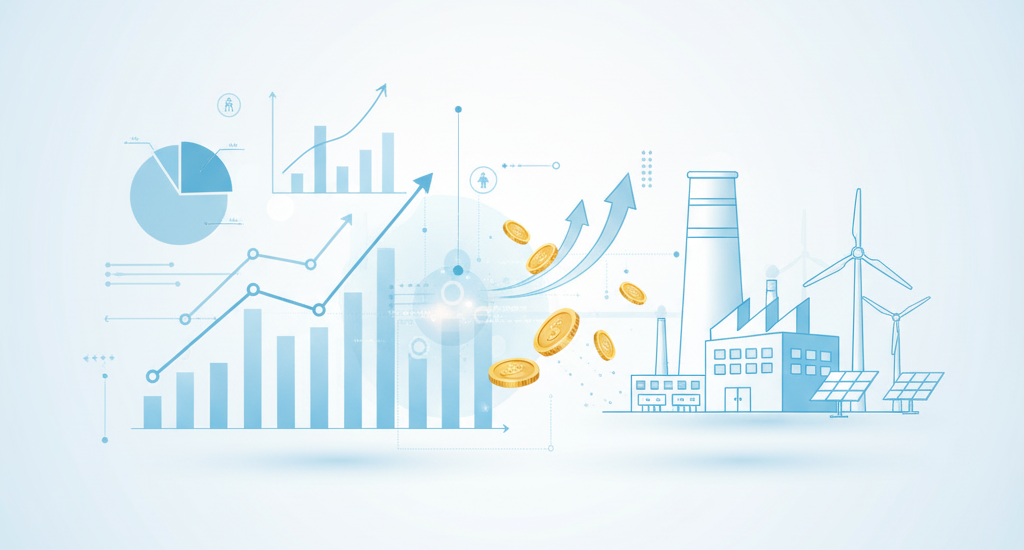
Conducting studies focused on scaling up chemical processes, integrating results from process simulators with routines developed in Python. This approach allows for estimating costs, economic viability, and performance indicators, supporting decision-making at different stages of technological development.

Data Engineering and Applied Statistical Analysis
Data acquisition and curation, database construction and processing, as well as exploratory analysis focusing on descriptive statistics, pattern identification, correlations, and data quality. These steps support the development and validation of predictive models applied to engineering systems.

Machine Learning
Development of models for regression and classification problems using different types of data, such as time series, images, documents, and numerical variables, including big data scenarios. Methods based on trees, neural networks (including recurrent and convolutional architectures), and Transformer-type models are used, in addition to transfer learning techniques. Applications are geared towards engineering problems, paying attention to data limitations and quality, the generalizability of models, and integration with physical knowledge through hybrid approaches.
Research Developed
Detection and Diagnosis of Chemical Process Failures
This line of research, supported by the Young Scientist Program of Our State – 2022 (FAPERJ Notice No. 19/2022), investigates advanced Failure Detection and Diagnosis (DDF) methodologies applied to complex industrial chemical processes. This is a strategic area within GAAP, in which different approaches to modeling based on data and artificial intelligence have been explored.
In the diagnosis of failures, Convolutional Neural Network (CNNs) architectures have been developed applied to Gramian Angular Summation Fields (GASF) representations, focusing on the systematic improvement of existing models, instead of the simple comparison of multiple alternatives. In the field of fault detection, the research seeks to explore new approaches that overcome traditional methods, incorporating transfer learning strategies, specialized architectures, and training stabilization techniques, in order to increase the reliability and scalability of solutions.
The advances achieved have already translated into concrete results, including a doctoral defense and publications in high-impact journals:
» NETO, J. G.; FIGUEIREDO, K.; SOARES, J. B. P.; BRANDÃO, A. L. T. Can Focusing on One Deep Learning Architecture Improve Fault Diagnosis Performance? Journal of Chemical Information and Modeling, v. 65, p. 1289-1304, 2025.
» NETO, J. G.; FIGUEIREDO, K.; SOARES, J. B. P.; BRANDÃO, A. L. T. A Diagnosis-Based Siamese Network for Fault Detection Through Transfer Learning. Journal of Chemical Information and Modeling, v. 65, p. 6703-6720, 2025.
Automated Polymer Detection
This line of research aims to develop methodologies for automated identification of polymers in plastic waste from Fourier transform infrared (FTIR) spectra, employing advanced machine learning techniques. Different model architectures are investigated, including Transformers-based approaches (BERT), convolutional neural networks (CNNs), and recurrent networks (LSTM), in order to increase the robustness and accuracy of classification.
The database used in this line is continuously expanded in partnership with Prof. Douglas Alexandre Simon (IFRS – Farroupilha campus), and currently has hundreds of FTIR spectra of virgin and recycled polymers. This collection covers both homopolymers and copolymers, including materials such as polypropylene, polyethylene terephthalate, polyethylene (low and high density), acrylonitrile butadiene styrene, polystyrene, thermoplastic polyurethane and polyamides, representing a diversity of polymeric classes of great industrial and environmental relevance.
The research directly contributes to advances in advanced recycling, circular economy and innovation in material characterization techniques, reinforcing both the potential for industrial application and the positive environmental impact associated with the efficient identification of polymers in plastic waste.
Among the results already achieved in this line of research, the following publication stands out:
» NETO, J. G.; SIMON, D. A.; FIGUEIREDO, K. T.; BRANDÃO, A. L. T. Framework for data-driven polymer characterization from infrared spectra. Spectrochimica Acta Part A, v. 300, p. 122841, 2023.
Reverse Modeling with Artificial Intelligence Applied to Polyolefins
In partnership with the Applied Macromolecular Engineering Group at the University of Alberta, coordinated by Prof. João Soares, this line of research explores the use of convolutional neural networks to correlate microstructure properties such as short-chain branch distributions (SCBD), molar mass (MWD) and chemical composition distributions (CCD) with polymerization conditions of ethylene copolymers with α-olefins and dienes.
The main objective is to reverse engineer polymerization processes, allowing both the optimization of production routes and the development of materials with controlled properties.
The advancement of this line directly contributes to the acceleration of polyolefin design, reducing the dependence on time-consuming experimental steps and favoring the creation of materials tailored to different applications. In addition, it reinforces the potential of artificial intelligence in the area of polymers, bringing laboratory modeling closer to the real demands of the chemical and materials industry.
Copolymerization Modeling with PINNs Networks
This line of research aims to develop methodologies based on Physics-Informed Neural Networks (PINNs) for the modeling of copolymerization processes. The proposal consists of integrating microstructure properties and experimental data to previously established kinetic models, in order to reproduce key process variables, such as molar mass distribution (MWD), Chemical Composition Distribution (CCD), conversion profiles and numerical and weight mean molar masses (Mn and Mw) over the reaction time.
The methodological differential is to use the consolidated kinetic model of at least one of the homopolymers as an initial physical restriction in the training of the network. This strategy allows you to guide the learning of the PINN, reduce the need for large amounts of experimental data, and increase robustness in the face of uncertainties.
It is, therefore, a general approach that can be adapted to different copolymer systems, and is not restricted to a specific class of materials. The development of this line contributes to the advancement of hybrid modeling of polymerization processes, favoring phenomenological understanding and paving the way for the targeted development of new polymeric materials of industrial interest, such as elastomers and special rubbers.
Optimization of the Sustainable Biopolymer Synthesis Process: Economic and Environmental Feasibility with the Use of Machine Learning
Project funded by FAPERJ (Public Notice No. 21/2024 – Support Program for Young Researchers in Rio de Janeiro). The objective is to investigate the sustainable production of biopolymers synthesized from monomers from renewable sources, such as crude glycerol, a byproduct of biodiesel production. The integration of green chemistry and biotechnology principles will allow the conversion of this low-value waste into high value-added biopolymers, contributing to the reduction of dependence on fossil fuels and promoting greater sustainability in the Brazilian biofuel industry.
The project employs machine learning models to optimize the polymerization process, predicting the experimental conditions needed to produce biopolymers with specific properties and reducing the need for extensive testing. In addition, a Life Cycle Assessment (LCA) will be carried out to ensure alignment with sustainability objectives, while simulations in Aspen Plus® and Python will be used to assess the economic and environmental feasibility of the process.
This research seeks to promote the development of high-performance biopolymers, providing essential technical data for future large-scale production in biodiesel biorefineries.
Simulation and Technical-Economic Evaluation of the Co-pyrolysis Process of Waste Tires and Biomass
This project involves the modeling and simulation of co-pyrolysis processes of waste tires and biomass, using the Aspen Plus software in a design that seeks energy self-sufficiency through the recycling of the gas produced. The steps include the development of a kinetic model capable of predicting the composition of the products, the simulation of the process, the automation of the economic evaluation via integration with Python, as well as the analysis of the effects of operational parameters on the minimum selling price of pyrolysis oil.
This line contributes to the development of sustainable technological routes for waste recovery, combining energy efficiency, economic viability and reuse of materials that are difficult to dispose of.
Sustainable Production of 1,3-Butadiene from Ethanol: Simulation and Economic Feasibility for Supply to the Automotive Industry
This research proposes an integrated and sustainable process for the production of 1,3-butadiene from ethanol, using bifunctional heterogeneous zirconium-based catalysts supported in mesoporous matrices. The central objective is to overcome the technical and environmental limitations of conventional naphtha-based petrochemical routes, characterized by high energy consumption, high CO₂ emissions and dependence on fossil resources.
The investigated route involves a single conversion step, more efficient and aligned with the principles of sustainability. The methodology integrates process simulation in Aspen HYSYS,® preliminary technical-economic evaluation and life cycle analysis (ISO 14040/14044 standards). The simulations point to ethanol conversions greater than 90%, selectivity to 1,3-butadiene of up to 85% and product purity greater than 97.9%, meeting the requirements of the ASTM D2593-19 standard.
As one of the results of this line of research, the following publication stands out:
» FERREIRA, P. H. G.; DE CARVALHO, R. B.; BRANDÃO, A. L. T. Modelagem, simulação e avaliação econômica preliminar de uma planta de produção de 1,3-butadieno a partir do bioetanol. Brazilian Journal of Development, v. 7, p. 84526-84546, 2021.
Sustainable Production of Light Olefins: Modeling, Simulation and Technical-Economic Evaluation
This line of research seeks the development of alternative and sustainable routes for the production of light olefins, integrating kinetic modeling, process simulation, energy recovery strategies and technical-economic and environmental evaluation. The objective is to investigate processes that reconcile industrial competitiveness, energy efficiency and carbon emission mitigation, contributing to the energy transition and the decarbonization of the chemical sector.
Within the scope of this line, the study of CO₂-assisted oxidative dehydrogenation of propane (ODPC) stands out, which involved the simulation of a plant with energy recovery sections for cogeneration and carbon capture, in addition to the evaluation of different scenarios to encourage CO₂ capture.
As one of the results of this line of research, the following publication stands out:
» ESPINOSA, G. V.; BRANDÃO, A. L. T. Economic and sustainability evaluation of green CO₂-assisted propane dehydrogenation design. Digital Chemical Engineering, v. 14, p. 100203, 2025.
Integration of Artificial Intelligence and Technical-Economic Evaluation of Processes
This line of research aims to combine artificial intelligence and machine learning techniques with methods of techno-economic evaluation of chemical and biochemical processes, in order to accelerate cost analysis, reduce uncertainties, and support decision-making. The proposed approach allows exploring the use of hybrid modeling, integrating simulation data, experimental information and automated scenario generation routines.
As an example of application, the methodology has already been explored in batch manufacturing studies of active pharmaceutical ingredients (API), in which machine learning models were integrated with process simulations to predict production costs, estimate the minimum selling price, and identify uncertainties and critical cost drivers.
This line of research contributes to the more agile and robust development of industrial processes, supporting innovation strategies and production efficiency.
Polymerization Reaction Modeling
This is a line of research already consolidated in GAAP, which over the last few years has resulted in relevant international publications on mathematical modeling of polymerizations using different mathematical approaches, such as the Monte Carlo stochastic method, the Instantaneous Distribution model and the Method of Moments. With the simulation of these models, it is possible to predict microstructural properties of polymers, such as the Chemical Composition Distribution (CCD) and the Chain Length Distribution (CLD); in the case of Monte Carlo, it is also possible to obtain the Intramolecular Sequence Distribution of Comonomers.
Among the results of this line of research, the following publications stand out:
» REGO, A. S. C.; BRANDÃO, A. L. T. Parameter Estimation and Kinetic Monte Carlo Simulation of Styrene and n-Butyl Acrylate Copolymerization through ATRP. Industrial & Engineering Chemistry Research, v. 60, p. 8396-8408, 2021.
» REGO, A. S. C.; AMARAL, A. M.; BRANDÃO, A. L. T. Monte Carlo simulation of terpolymerization: Optimizing the simulation and post-processing times. Canadian Journal of Chemical Engineering, v. 1, p. 1, 2023.
Currently, within this line of research, the copolymerization of acrylamide with acrylic acid is being modeled, continuing the development and application of these methodologies.
Green Hydrogen Production
This line of research covers three main axes:
- Production and Simulation: modeling of green hydrogen production by water electrolysis, using renewable sources such as solar and wind. The process is optimized through simulations in software such as Aspen Plus, covering everything from energy capture to hydrogen purification and compression;
- Digital Twins and Operational Optimization: application of digital twins as virtual replicas of real plants, enabling real-time monitoring, performance forecasting, and operational optimization, especially in scenarios of high variability of renewable sources. When there is no access to real data, detailed modeling and simulation can act as an alternative to the digital twin, ensuring that performance and optimization analyses remain feasible;
- Technical-Economic Evaluation: calculation of the Levelized Cost of Hydrogen (LCoH), considering CAPEX, OPEX and REPEX, in addition to sensitivity analyses for critical variables such as the price of renewable energy in Brazil.
The development of this line of research seeks to provide technical and methodological tools for the implementation of more sustainable, efficient and economically viable green hydrogen projects, strengthening Brazil's insertion in the global energy transition.
Glycerol Valorization: Simulation and Evaluation of Chemicals of Industrial Interest
This line of research investigates the potential for valuing glycerol, a low-value by-product of the Brazilian biodiesel industry, as a raw material for the production of higher value-added chemicals. The approach combines process simulation, green chemistry principles, biotechnology, and technical-economic and environmental analyses, seeking routes that reconcile sustainability, industrial competitiveness, and integration in biorefinery chains.
Among the projects conducted in this line, the study of the production of succinic acid from glycerol, using Yarrowia lipolytica as a natural producer, stands out. Different scenarios were evaluated, including isolated production from crude glycerol, production from purified glycerol, and integration with biodiesel plants. The results pointed to reductions of up to 47% in the climate impact when using raw glycerol compared to pure glycerol, in addition to economic viability in all scenarios, with a payback of less than seven years. The integration with biodiesel plants showed gains in competitiveness, but also an increase in CO₂ emissions, highlighting the need for energy optimization and solvent recovery.
As one of the results of this line of research, the following publication stands out:
» ORDÓÑEZ, D. A. R.; STRUNCK, F. J. B. T. L.; DUTRA, L. S.; BRANDÃO, A. L. T. Upcycling glycerol into succinic acid: sustainable integration with biodiesel mills. Bioresource Technology, v. 433, p. 132716, 2025.
The valorization of glycerol represents a key strategy for the circular economy and the development of sustainable biorefineries, and new chemical routes from this input continue to be investigated in this line of research.
Application of Artificial Intelligence in the Materials Area
This line of research explores the use of machine learning to support characterization, property prediction, and material design. The goal is to develop methodologies that integrate experimental databases with machine learning techniques, in order to predict properties, optimize performance and support material design. From this approach, it seeks not only to accelerate traditionally complex and costly analyses, but also to create tools that increase the reliability of structural designs, improve the understanding of physical phenomena, and enable the formulation of safer, more efficient, and more sustainable solutions in the area of materials.
This line has already resulted in high-impact international publications:
» CONGRO, M.; MOREIRA DE ALENCAR MONTEIRO, V.; DE ANDRADE SILVA, F.; ROEHL, D.; BRANDÃO, A. L. T. A novel hybrid model to design fiber-reinforced shotcrete for tunnel linings. Tunnelling and Underground Space Technology, v. 132, p. 104881, 2023.
» TEIXEIRA, M. C.; BRANDÃO, A. L. T.; PARENTE, A. P.; PEREIRA, M. V. Artificial intelligence modeling of ultrasonic fatigue test to predict the temperature increase. International Journal of Fatigue, v. 163, p. 106999, 2022.
» CONGRO, M.; MONTEIRO, V. M. A.; BRANDÃO, A. L. T.; SANTOS, B. F.; ROEHL, D.; DE ANDRADE SILVA, F. Prediction of the residual flexural strength of fiber reinforced concrete using artificial neural networks. Construction and Building Materials, v. 303, p. 124502, 2021.
In addition to scientific production, this line has strategic industrial partnerships. In collaboration with the company Chimica Edile do Brasil, a research and development project was developed aimed at creating a software/dashboard for predicting concrete properties, integrating exploratory data analysis, machine learning models and programming.
Publications
Articles in Journals
2026
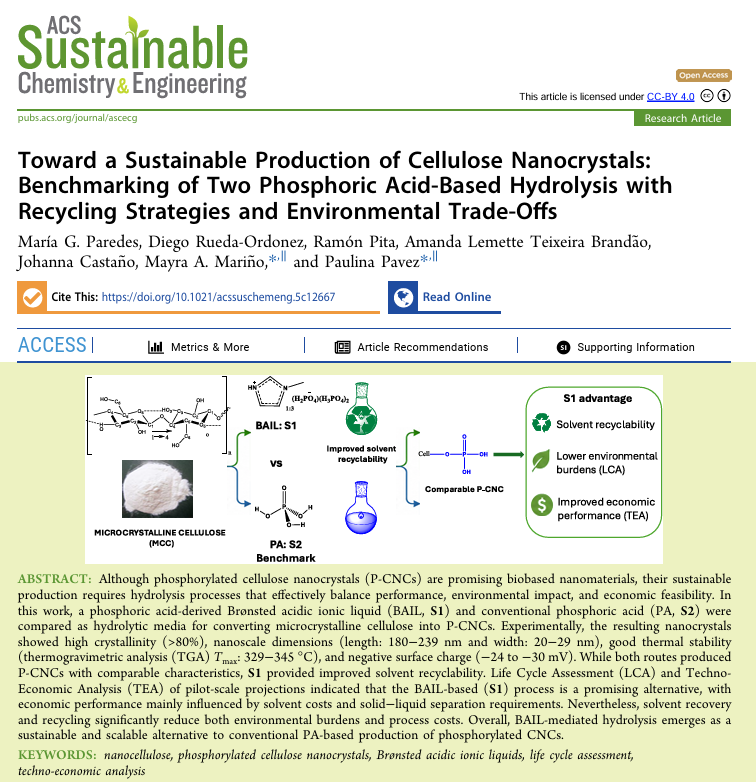
Rueda-Ordóñez, D. A., G. Paredes, M., Pita, R., Castaño, J., A. Mariño, M., Pavez, P.,
& Lemette Teixeira Brandão, A. (2026).
Toward a Sustainable Production of Cellulose Nanocrystals: Benchmarking of Two Phosphoric Acid-Based Hydrolysis with Recycling Strategies and Environmental Trade-Offs. ACS Sustainable Chemistry & Engineering
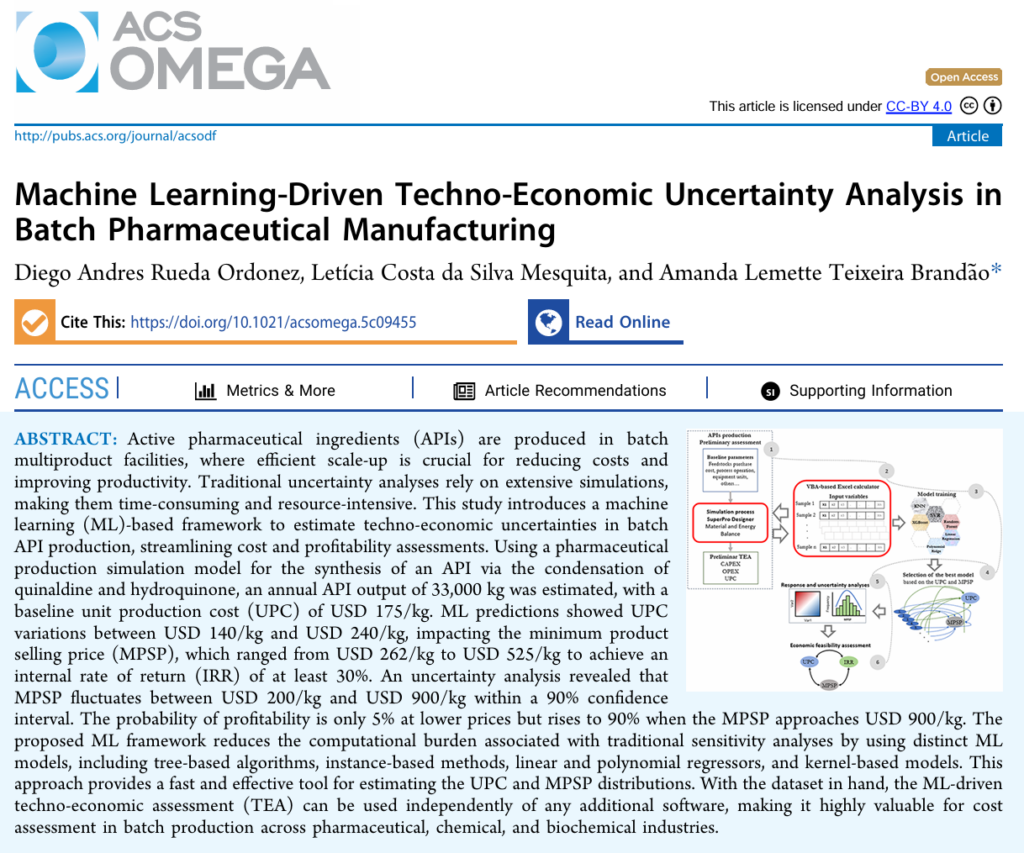
Rueda-Ordóñez, D. A., Costa da Silva Mesquita, L.,
& Lemette Teixeira Brandão, A. (2026).
Machine Learning-Driven Techno-Economic Uncertainty Analysis in
Batch Pharmaceutical Manufacturing. ACS Omega
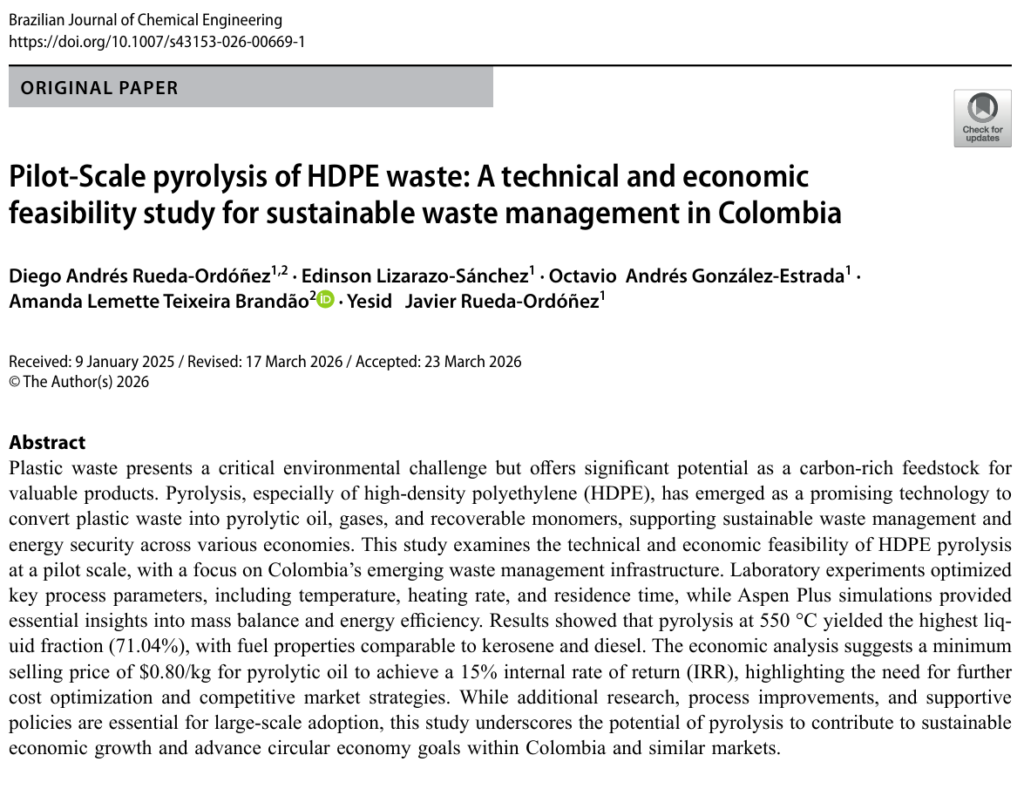
Rueda-Ordóñez, D. A., Lizarazo-Sánchez, E., González-Estrada, O.A., Lemette Teixeira Brandão, A., & Rueda-Ordóñez, Y.J. (2026).
Pilot-Scale pyrolysis of HDPE waste: A technical and economic
feasibility study for sustainable waste management in Colombia. Brazilian Journal of Chemical Engineering
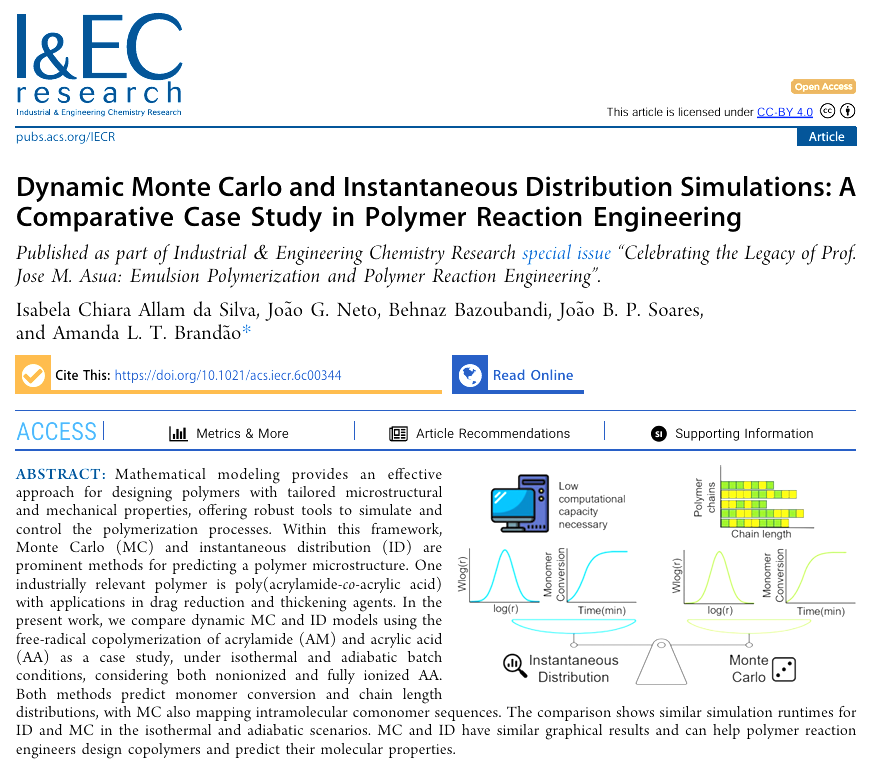
Chiara Allam da Silva, I., Neto, J. G., Bazoubandi, B., Soares, J. B.,
& Lemette Teixeira Brandão, A. (2026).
Dynamic Monte Carlo and Instantaneous Distribution Simulations: A
Comparative Case Study in Polymer Reaction Engineering. Industrial & Engineering Chemistry Research
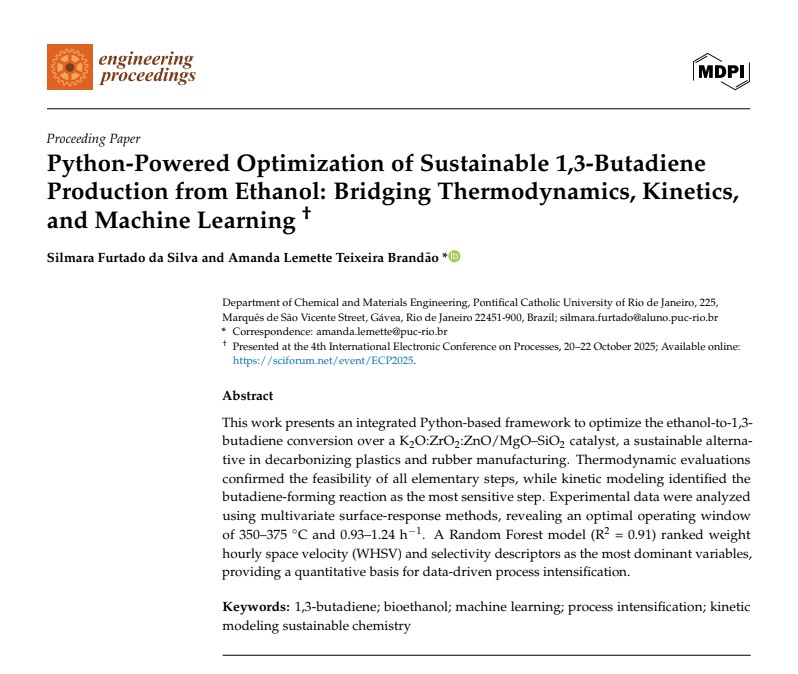
Furtado da Silva, S., & Lemette Teixeira Brandão, A. (2026). Python-Powered Optimization of Sustainable 1, 3-Butadiene Production from Ethanol: Bridging Thermodynamics, Kinetics, and Machine Learning. Engineering Proceedings
2025
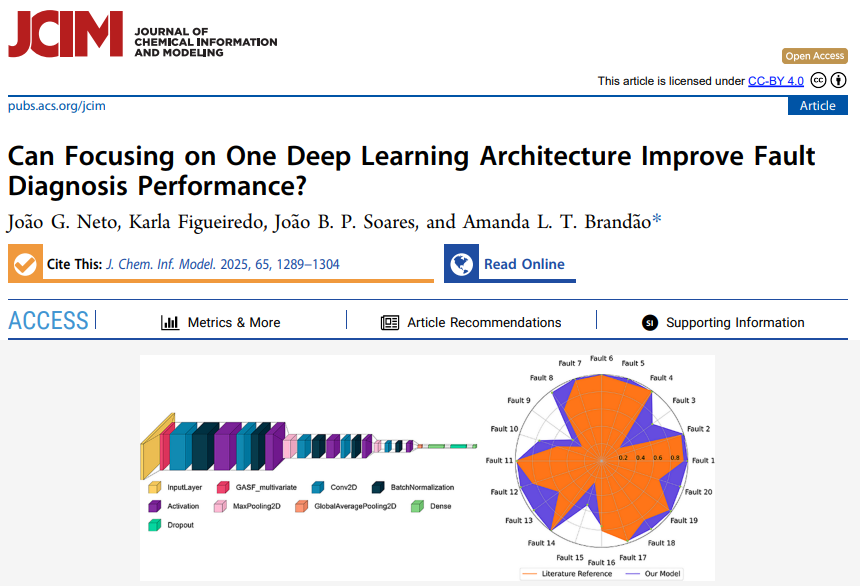
Neto, J. G., Figueiredo, K., Soares, J. B., & Brandao, A. L. (2025). Can Focusing on One Deep Learning Architecture Improve Fault Diagnosis Performance?. Journal of Chemical Information and Modeling, 65(3), 1289-1304.
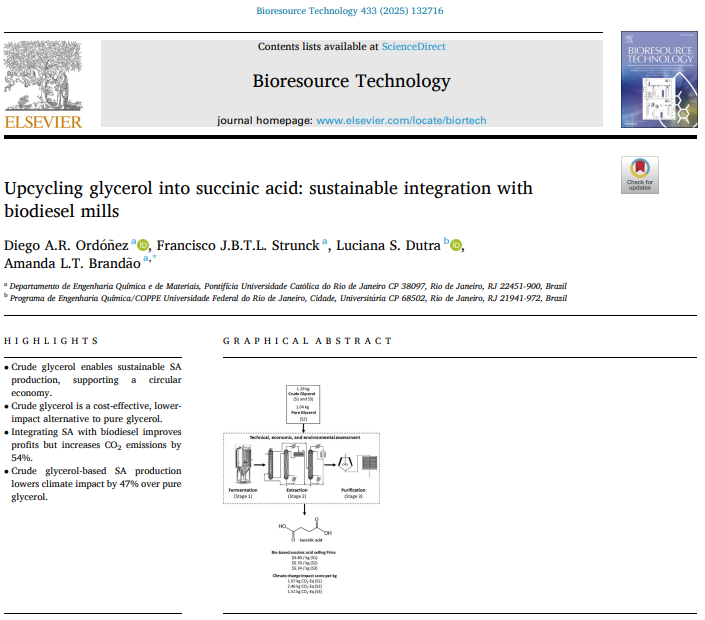
Ordóñez, D. A., Strunck, F. J., Dutra, L. S., & Brandão, A. L. (2025). Upcycling glycerol into succinic acid: sustainable integration with biodiesel mills. Bioresource Technology, 433, 132716.
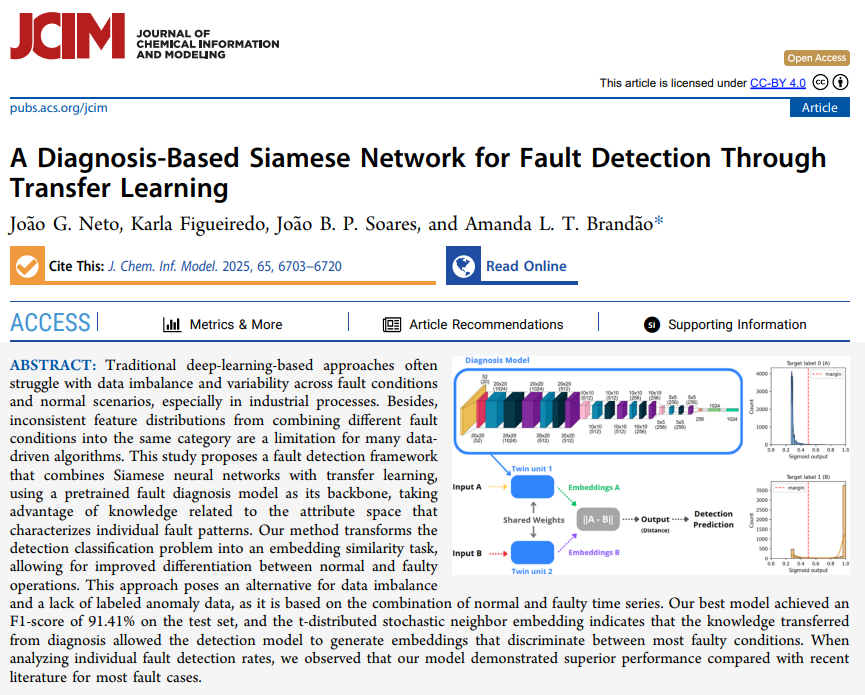
Neto, J. G., Figueiredo, K., Soares, J. B., & Brandão, A. L. (2025). A Diagnosis-Based Siamese Network for Fault Detection Through Transfer Learning. Journal of Chemical Information and Modeling.
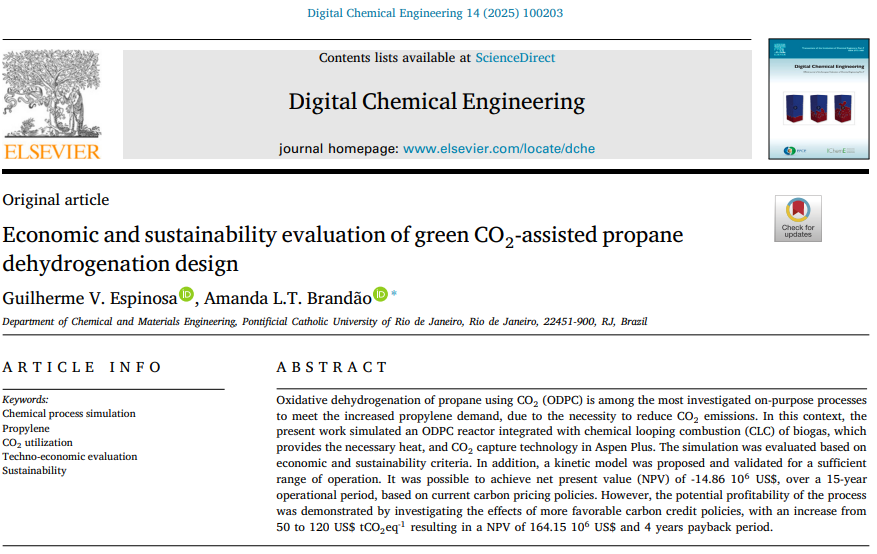
Espinosa, G. V., & Brandão, A. L. (2025). Economic and sustainability evaluation of green CO2-assisted propane dehydrogenation design. Digital Chemical Engineering, 14, 100203.
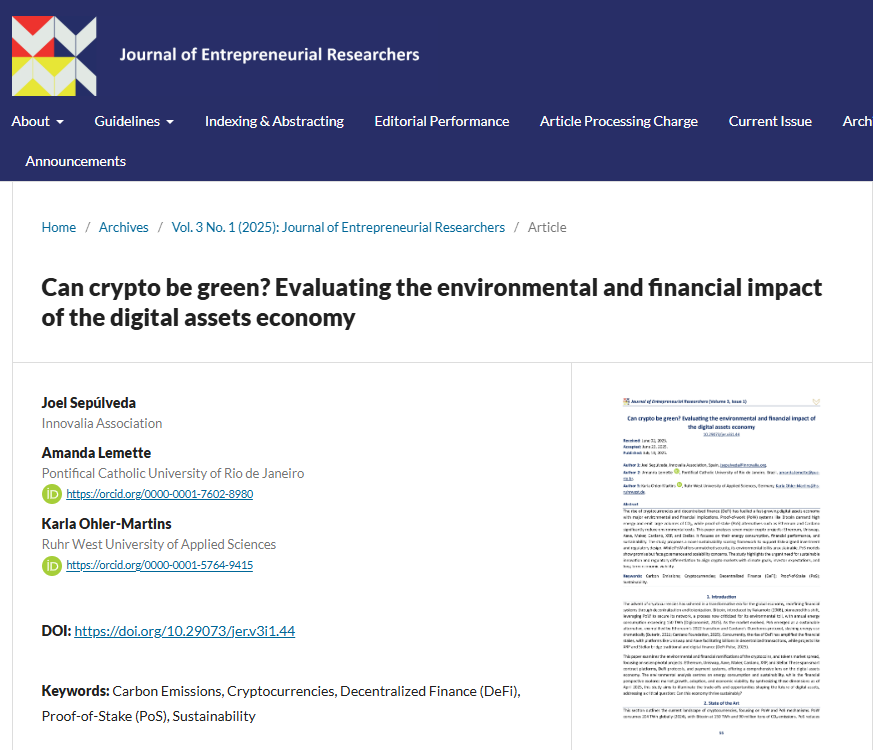
Sepúlveda, J., Lemette, A., & Ohler-Martins, K. (2025). Can crypto be green? Evaluating the environmental and financial impact of the digital assets economy. Journal of Entrepreneurial Researchers.
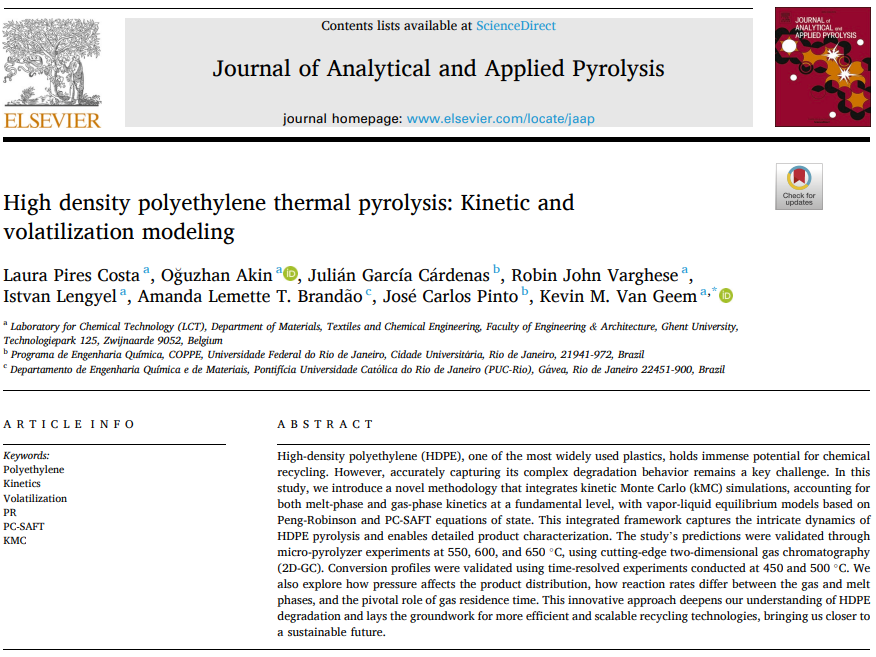
Costa, L. P., Akin, O., Cárdenas, J. G., Varghese, R. J., Lengyel, I., Brandão, A. L. T., … & Van Geem, K. M. (2025). High density polyethylene thermal pyrolysis: Kinetic and volatilization modeling. Journal of Analytical and Applied Pyrolysis, 191, 107168.
2015-2024
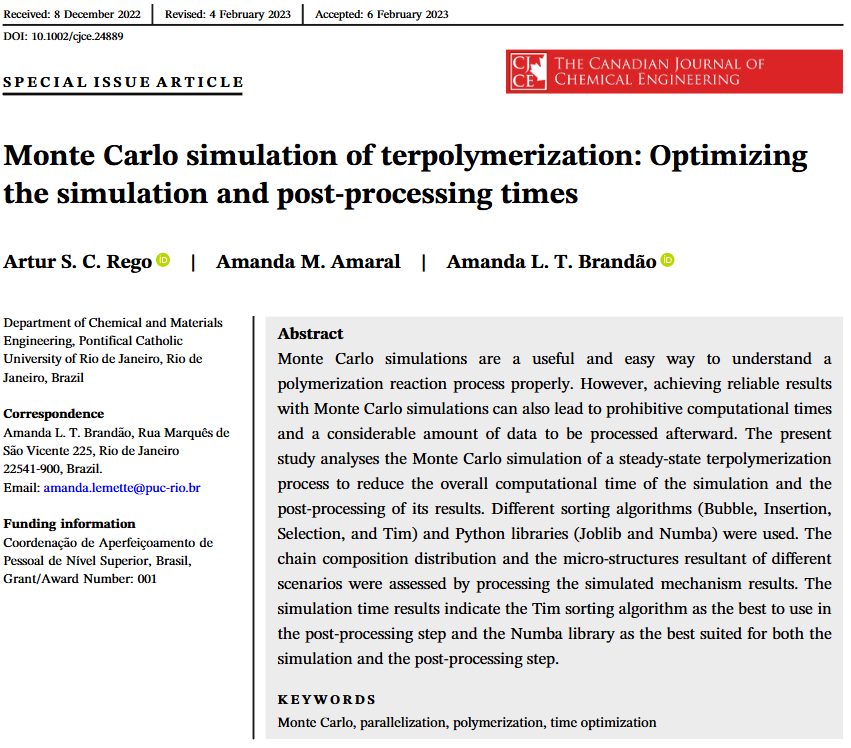
Rego, A. S., Amaral, A. M., & Brandao, A. L. (2023). Monte Carlo simulation of terpolymerization: Optimizing the simulation and post‐processing times. The Canadian Journal of Chemical Engineering, 101(9), 5059-5071.
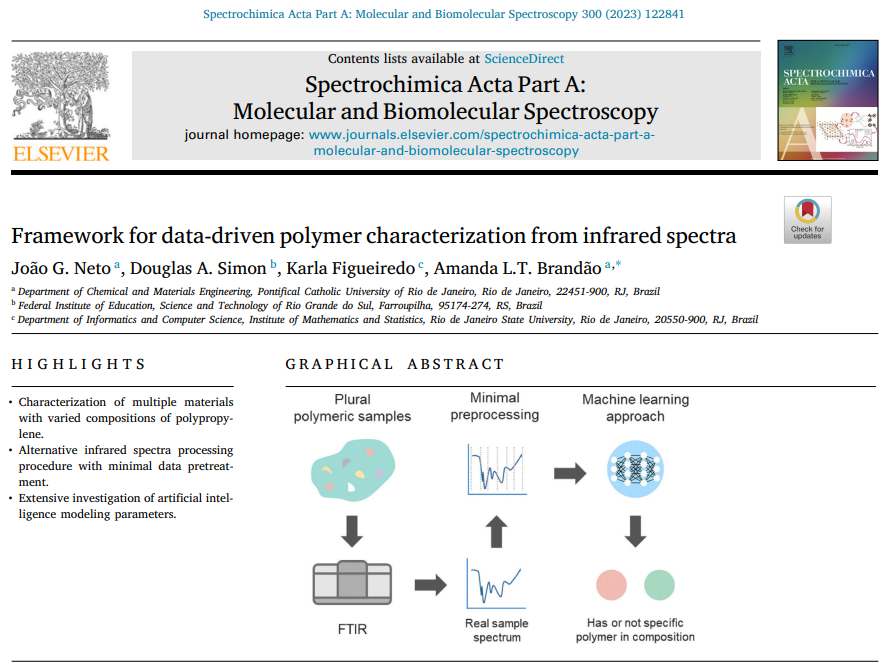
Neto, J. G., Simon, D. A., Figueiredo, K., & Brandão, A. L. (2023). Framework for data-driven polymer characterization from infrared spectra. Spectrochimica Acta Part A: Molecular and Biomolecular Spectroscopy, 300, 122841.
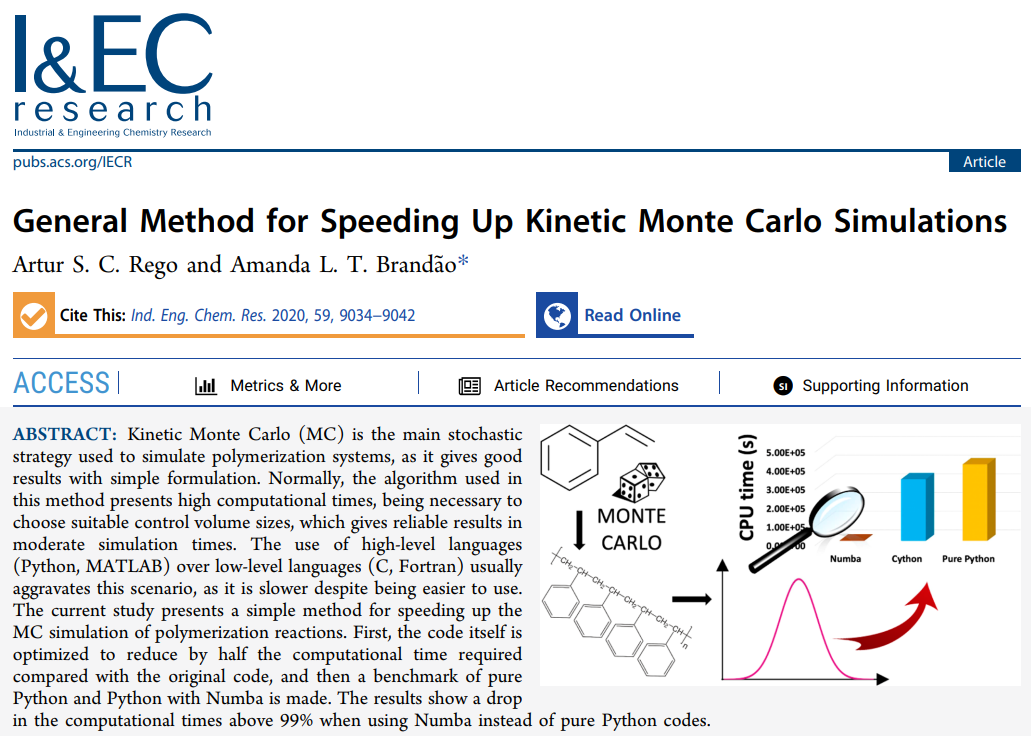
Rego, A. S., & Brandão, A. L. (2020). General method for speeding up kinetic Monte Carlo simulations. Industrial & Engineering Chemistry Research, 59(19), 9034-9042.
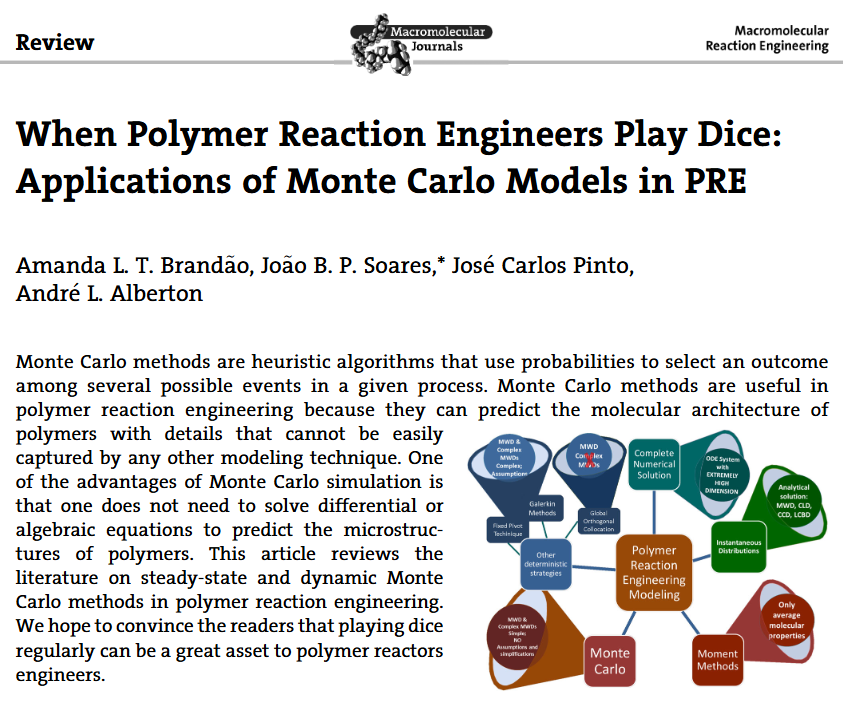
Brandao, A. L., Soares, J. B., Pinto, J. C., & Alberton, A. L. (2015). When polymer reaction engineers play dice: applications of Monte Carlo models in PRE. Macromolecular Reaction Engineering, 9(3), 141-185.
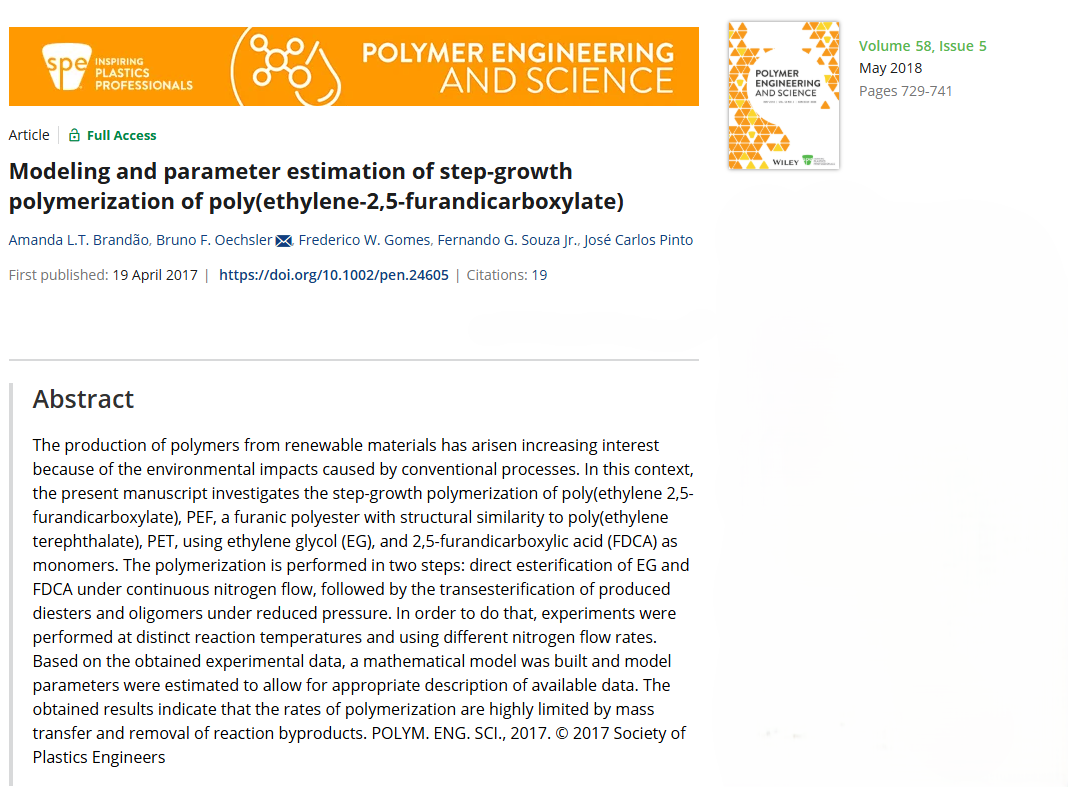
LT Brandão, A., F. Oechsler, B., W. Gomes, F., G. Souza Jr, F., & Carlos Pinto, J. (2018). Modeling and parameter estimation of step‐growth polymerization of poly (ethylene‐2, 5‐furandicarboxylate). Polymer Engineering & Science, 58(5), 729-741.
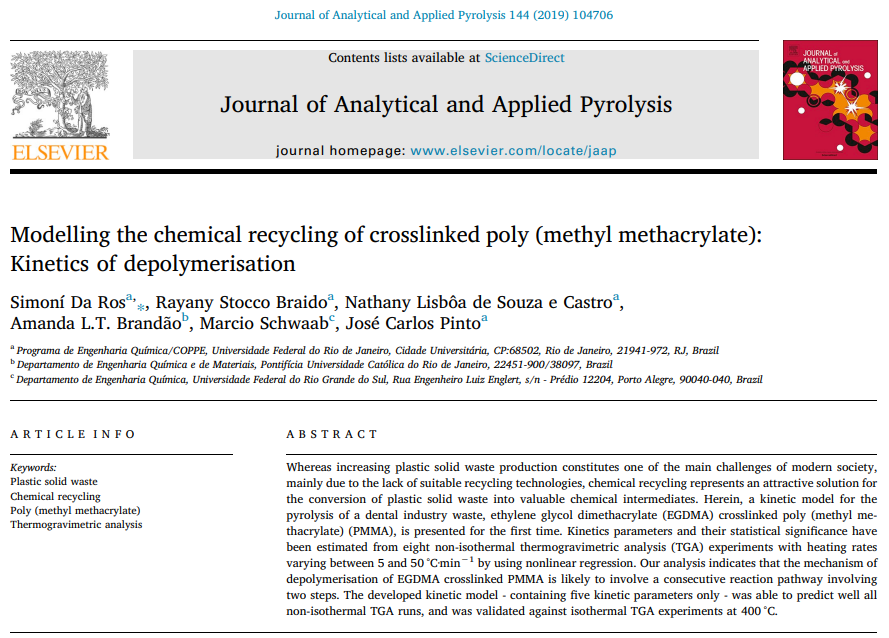
Da Ros, S., Braido, R. S., e Castro, N. L. D. S., Brandão, A. L., Schwaab, M., & Pinto, J. C. (2019). Modelling the chemical recycling of crosslinked poly (methyl methacrylate): Kinetics of depolymerisation. Journal of Analytical and Applied Pyrolysis, 144, 104706.
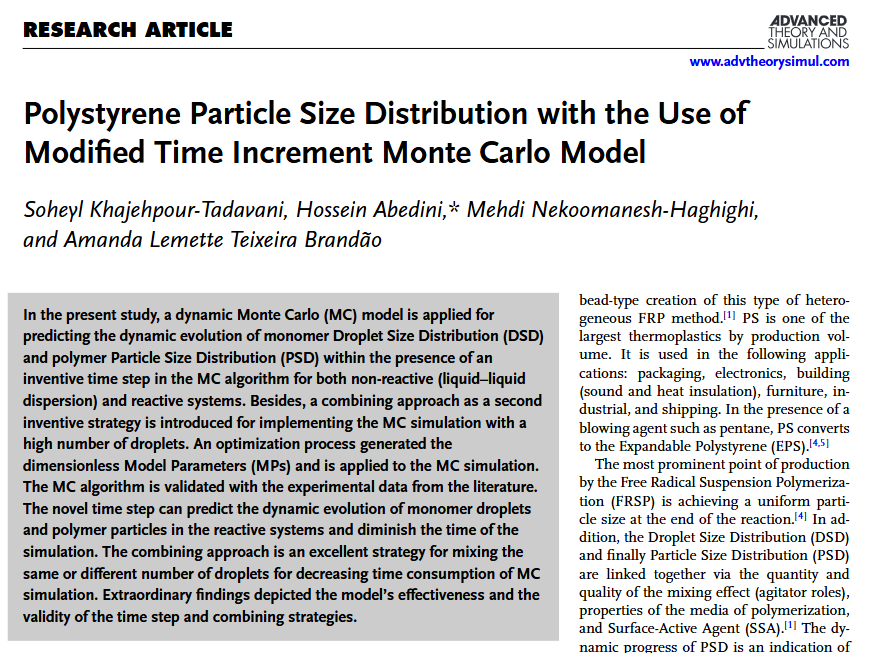
Khajehpour‐Tadavani, S., Abedini, H., Nekoomanesh‐Haghighi, M., & Brandão, A. L. T. (2024). Polystyrene Particle Size Distribution with the Use of Modified Time Increment Monte Carlo Model. Advanced Theory and Simulations, 7(10), 2400359.
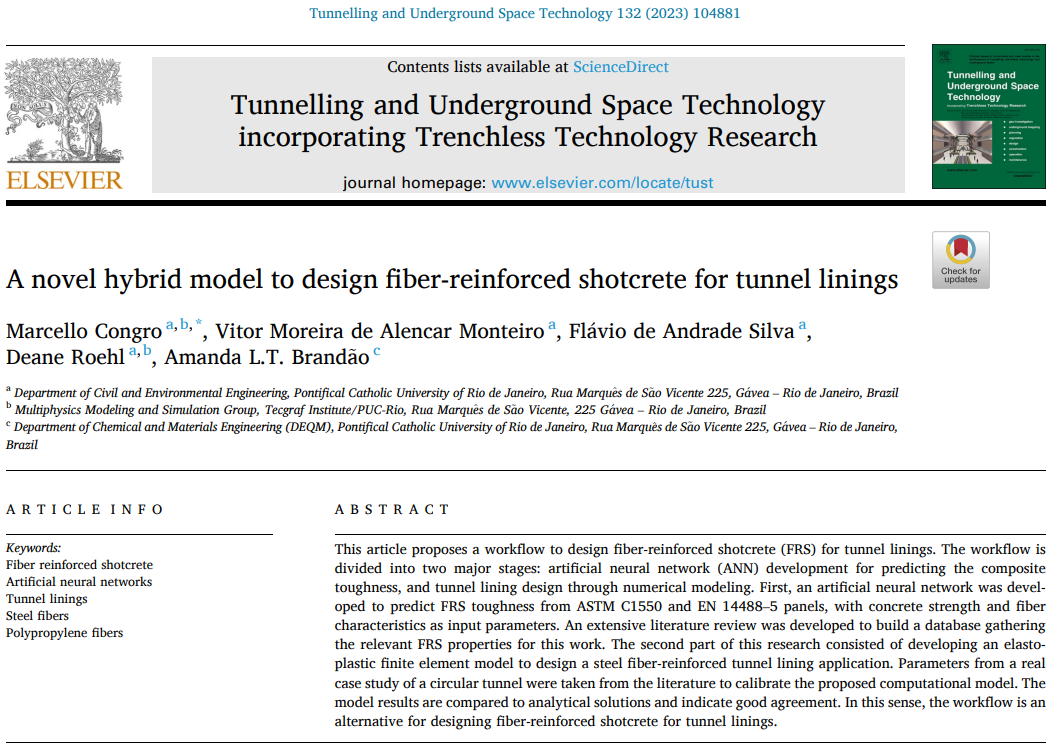
Congro, M., de Alencar Monteiro, V. M., de Andrade Silva, F., Roehl, D., & Brandao, A. L. (2023). A novel hybrid model to design fiber-reinforced shotcrete for tunnel linings. Tunnelling and Underground Space Technology, 132, 104881.
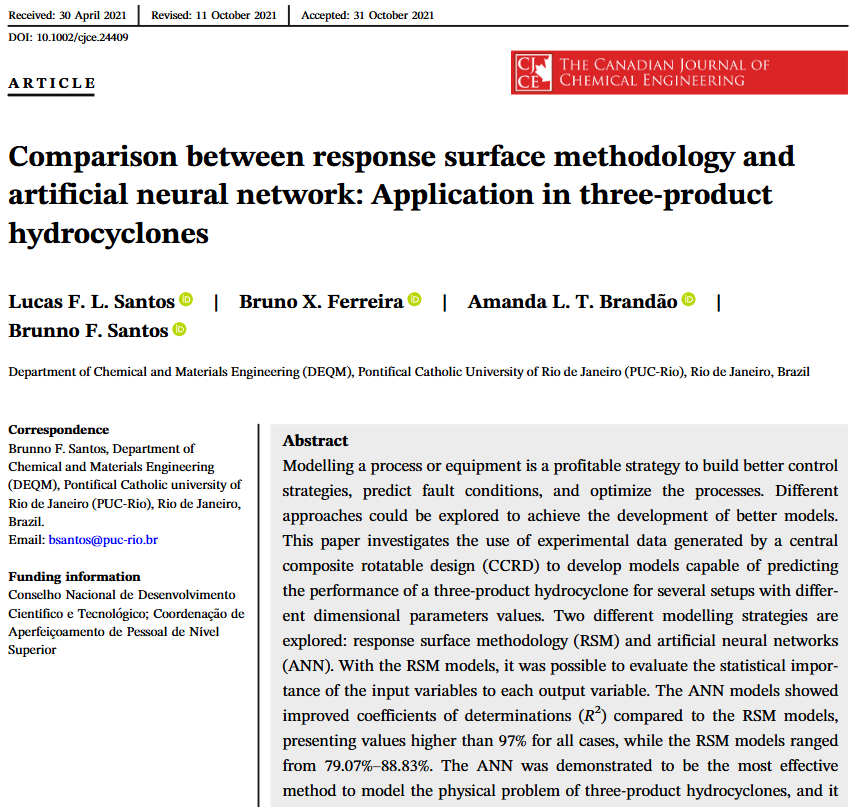
Santos, L. F., Ferreira, B. X., Brandao, A. L., & Santos, B. F. (2023). Comparison between response surface methodology and artificial neural network: Application in three‐product hydrocyclones. The Canadian Journal of Chemical Engineering, 101(1), 380-399.
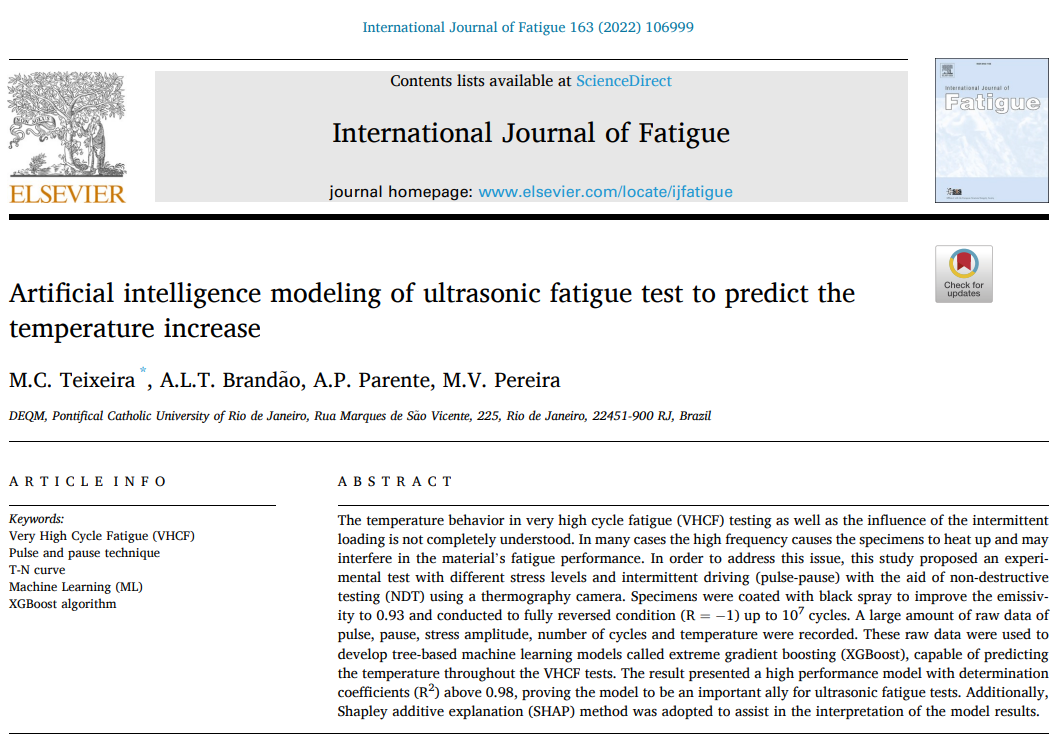
Teixeira, M. C., Brandão, A. L. T., Parente, A. P., & Pereira, M. V. (2022). Artificial intelligence modeling of ultrasonic fatigue test to predict the temperature increase. International Journal of Fatigue, 163, 106999.
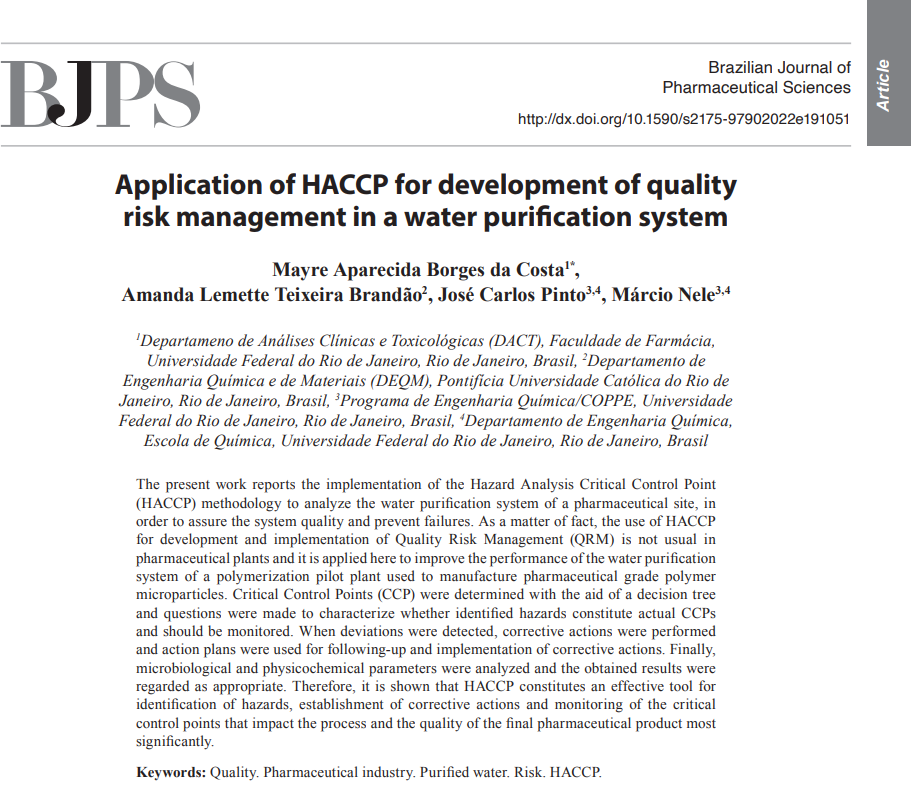
Costa, M. A. B. D., Brandão, A. L. T., Pinto, J. C., & Nele, M. (2022). Application of HACCP for development of quality risk management in a water purification system. Brazilian Journal of Pharmaceutical Sciences, 58, e191051.
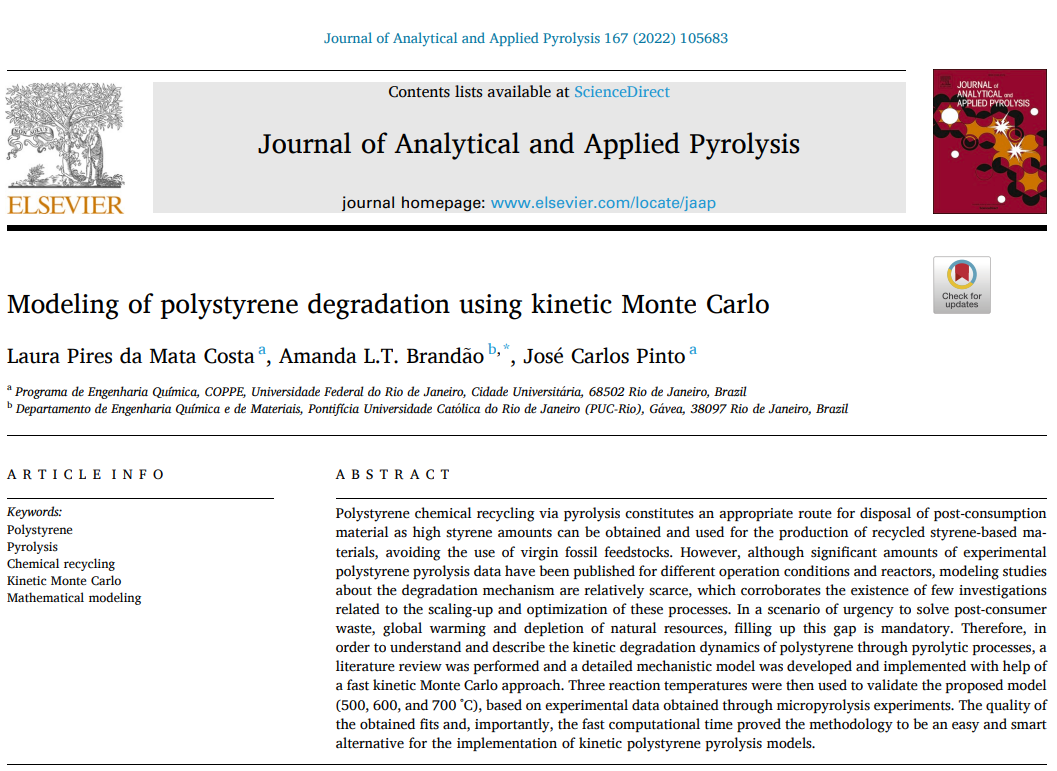
da Mata Costa, L. P., Brandão, A. L., & Pinto, J. C. (2022). Modeling of polystyrene degradation using kinetic Monte Carlo. Journal of Analytical and Applied Pyrolysis, 167, 105683.
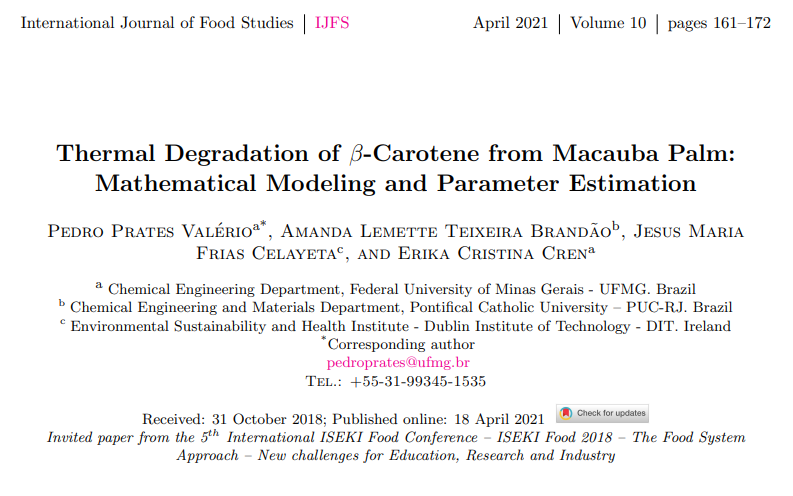
Valério, P. P., Brandão, A. L. T., Celayeta, J. M. F., & Cren, E. C. (2021). Thermal degradation of B-carotene from macauba palm: mathematical modeling and parameter estimation. International Journal of Food Studies, 10(1).
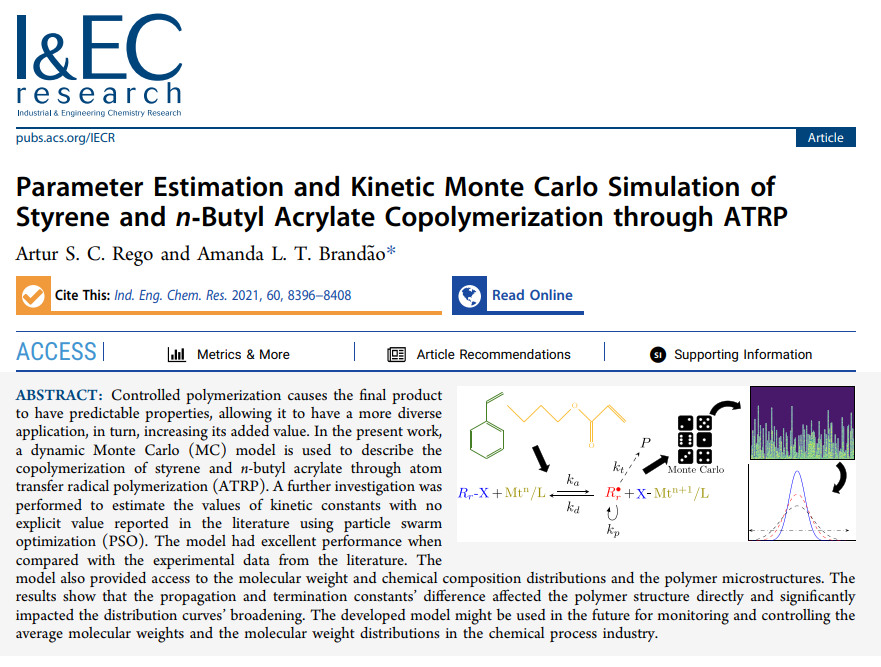
Rego, A. S., & Brandão, A. L. (2021). Parameter estimation and kinetic Monte Carlo simulation of styrene and n-butyl acrylate copolymerization through ATRP. Industrial & Engineering Chemistry Research, 60(23), 8396-8408.
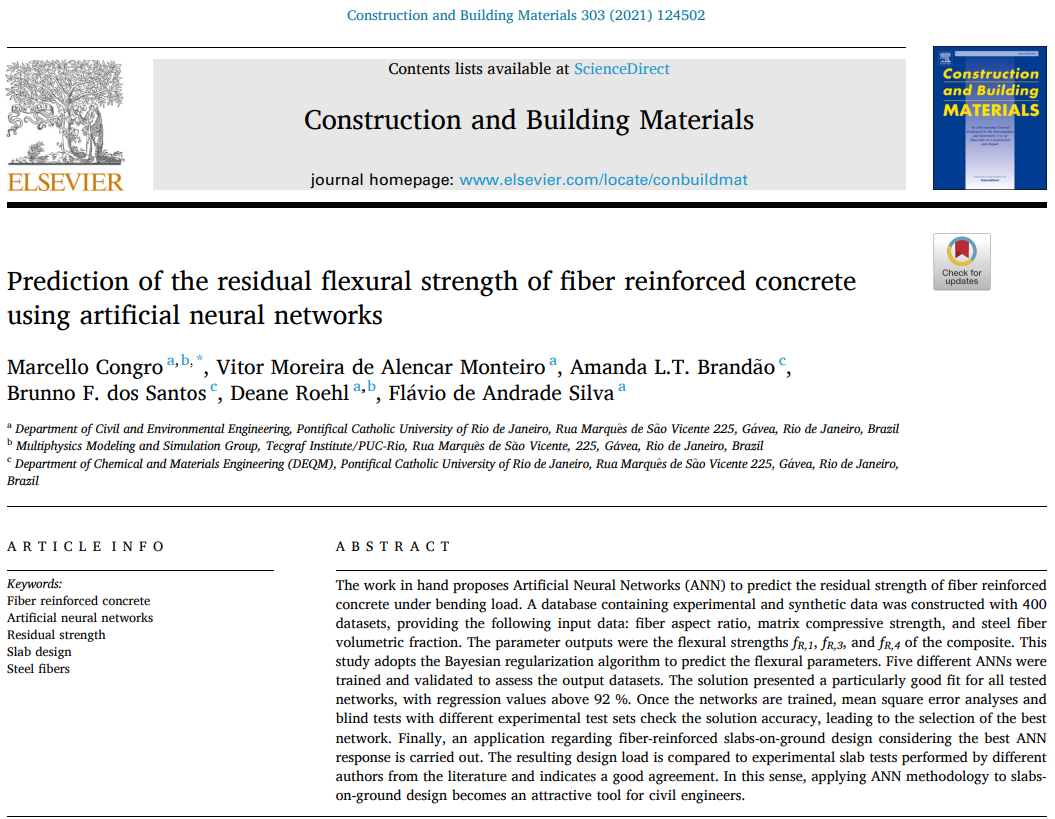
Congro, M., de Alencar Monteiro, V. M., Brandao, A. L., dos Santos, B. F., Roehl, D., & de Andrade Silva, F. (2021). Prediction of the residual flexural strength of fiber reinforced concrete using artificial neural networks. Construction and Building Materials, 303, 124502.
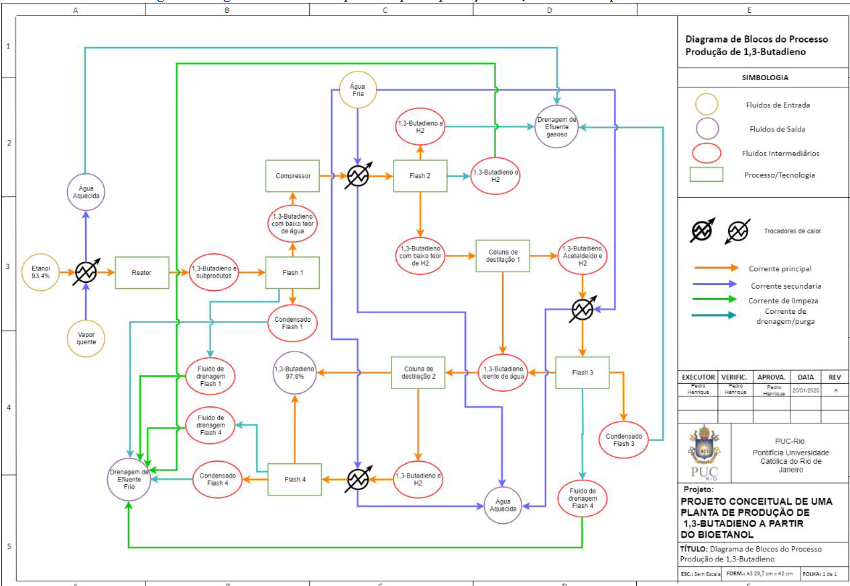
Ferreira, P. H. G., de Carvalho, R. B., & Brandão, A. L. T. (2021). Modeling, simulation and preliminary economic assessment of a 1, 3-Butadiene production plant from Bioethanol. Brazilian Journal of Development, 7(8), 84526-84546.
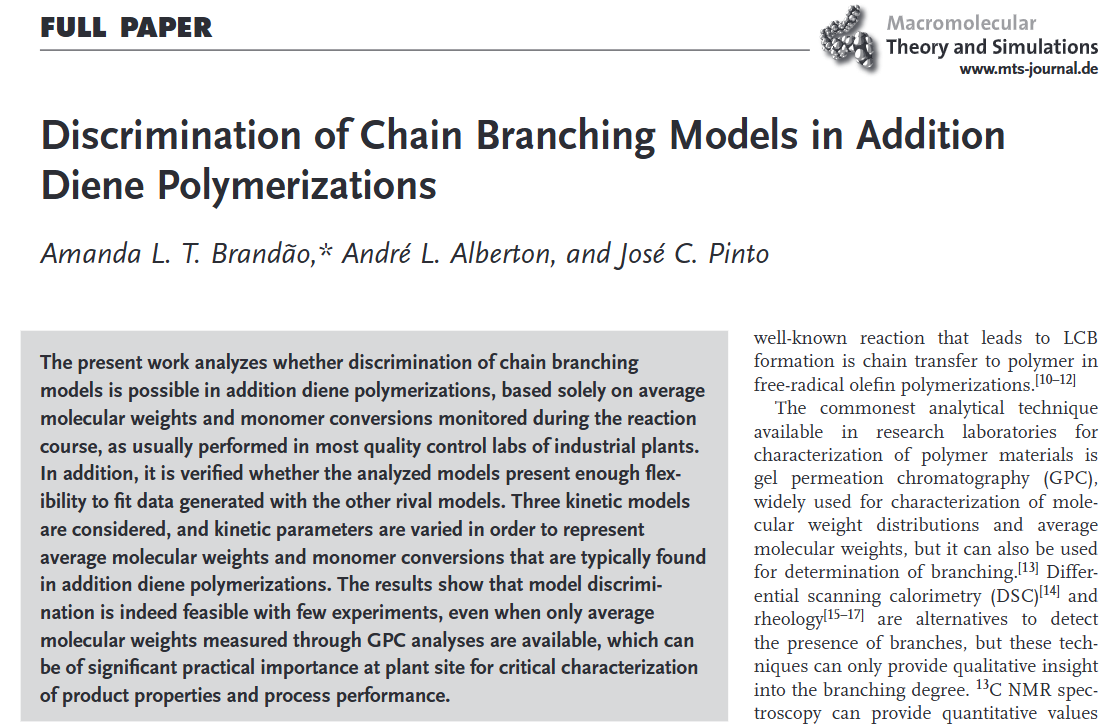
LT Brandão, A., L. Alberton, A., & C. Pinto, J. (2020). Discrimination of chain branching models in addition diene polymerizations. Macromolecular Theory and Simulations, 29(2), 1900043.
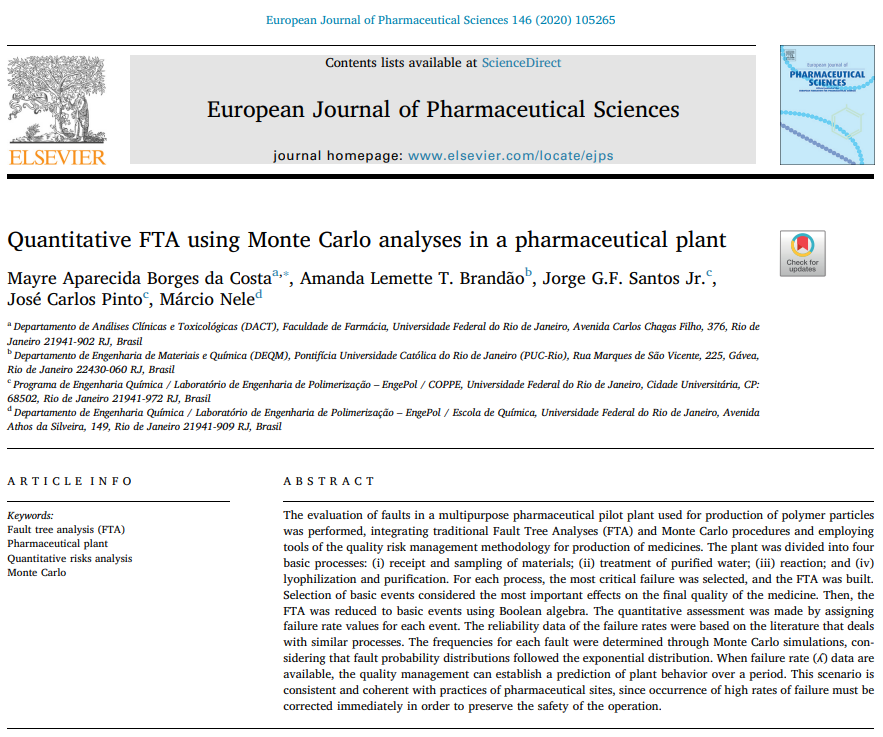
da Costa, M. A. B., Brandão, A. L. T., Santos Jr, J. G., Pinto, J. C., & Nele, M. (2020). Quantitative FTA using Monte Carlo analyses in a pharmaceutical plant. European Journal of Pharmaceutical Sciences, 146, 105265.
Patents and Registrations:
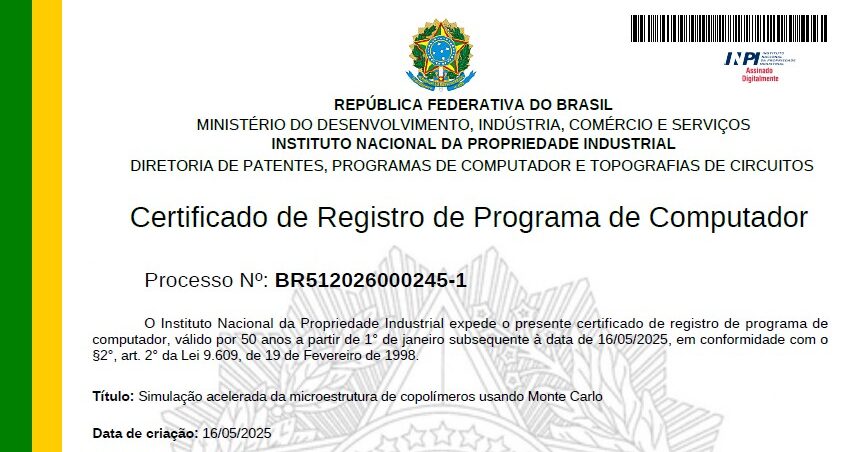
Simulação acelerada da microestrutura de copolímeros usando Monte Carlo (2025)
BR512026000245-1
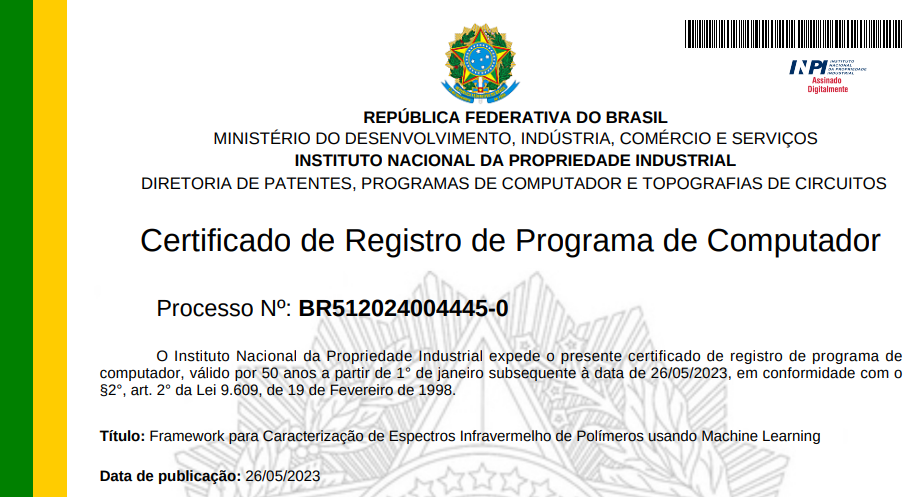
Framework para Caracterização de Espectros Infravermelho de Polímeros usando Machine Learning (2024)
BR 512024004445-0
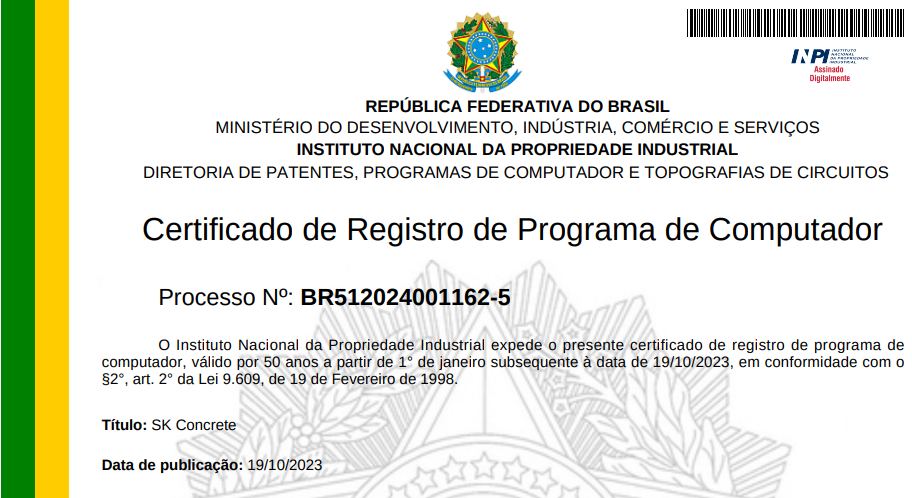
SK Concrete (2024)
BR 512024001162-5
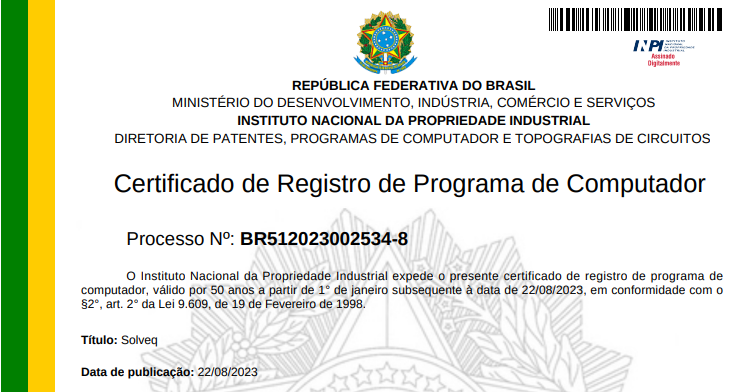
Solveq (2023)
BR512023002534-8
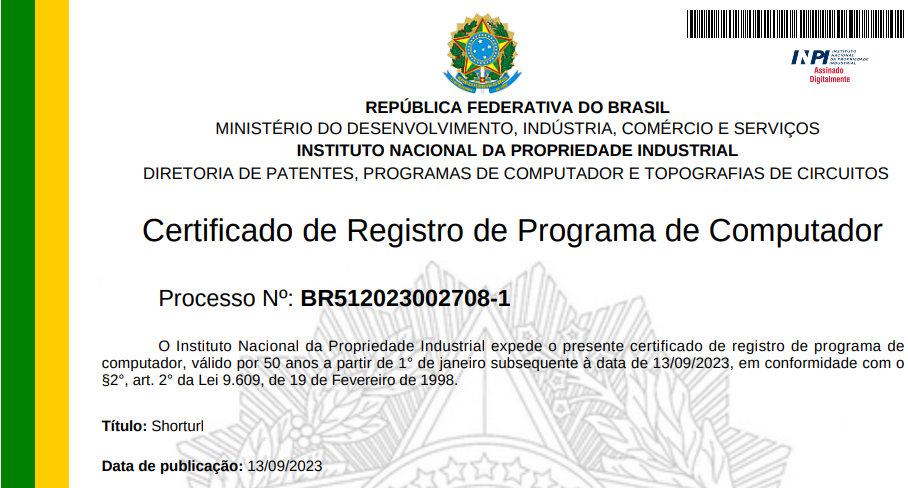
Shorturl (2023)
BR 512023002708-1
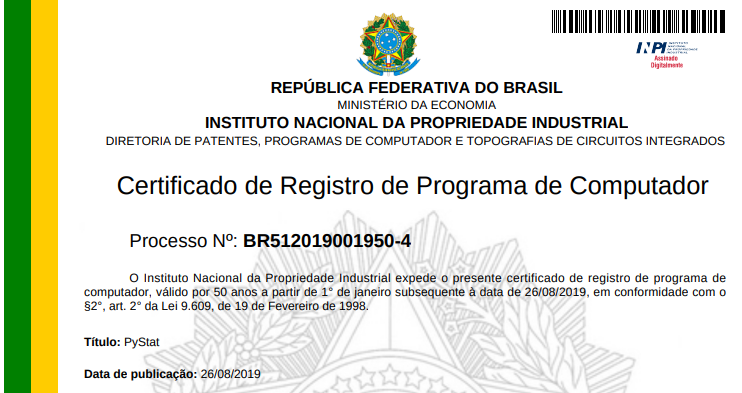
PyStat (2019)
BR512019001950-4
Book Chapters:
AI in Business and Economics (De Gruyter, 2024)
Chapter 3: Automatic Classification of Files Based on theClasses of IEC 61355

Team












Alumni
Doctorate
Post-Doctorate
Master's Degree
- Ayrton Alef Castanheira Pereira
- Daniel Pereira Humberto
- Diogo Faria de Sousa
- Francisco José Burok Teixeira Leite Strunck
- Francisco Renan Lopes Farias
- Guilherme Vieira Espinosa
- Henrique Abreu
- Isabela Chiara Allam da Silva
- João Gonçalves Neto
- Juan Santos de Oliveira
- Laura Pires da Mata Costa
- Lorena Satler Pena
- Naiara da Conceição de Farias
- Nicole Sant’Anna Risso
- Renata Bulcão Nofal
Scientific Initiation
- Amanda Monteiro do Amaral
- André de Oliveira Salles
- Cesar Fernandes Nogueira
- Isabela Caroline Souza Bittencourt
- Gabriela F. Pimenta da Silva
- Guilherme Vieira Espinosa
- Mariana Montal
- Rogério Pazetto Saldanha da Gama
Final Paper
- Alana Pereira Marzullo
- Amanda Monteiro do Amaral
- Ana Caroline Felipe
- Ana Catherine S. Colchete
- André de Oliveira Salles
- André Pessanha Fonseca
- Bárbara de Souza Bergamo
- Bernardo Barbosa
- Carlos Castanho Neto
- Cesar Fernandes Nogueira
- Francisco José Burok Teixeira Leite Strunck
- Francisco Renan Lopes
- Gabriela Aversa
- Gabriela F. Pimenta da Silva
- Guilherme Vieira Espinosa
- Henrique Botelho
- Isabela Caroline Souza Bittencourt
- Lorena Satler Pena
- Luiza Franco
- Marcello de Vasconcelos Tostes
- Mariana C. Monteiro de Almeida
- Mariana Veronese Julião
- Matheus Camargo Romano Nunes
- Matheus Gabriel Lima da Veiga Cabral
- Paloma Guimarães de Moura
- Pedro Henrique Gomes Ferreira
- Rodrigo M. de Souza Rocha
- Rogério Pazetto Saldanha da Gama
- Stephanie Moraes
- Yanne Szirovicza
Young Apprentice
- Yasmin Mendonça Oliveira
Partnerships













Contact
| Prof. Dr. Amanda Lemette | |
| @ amanda.lemette@puc-rio.br |